
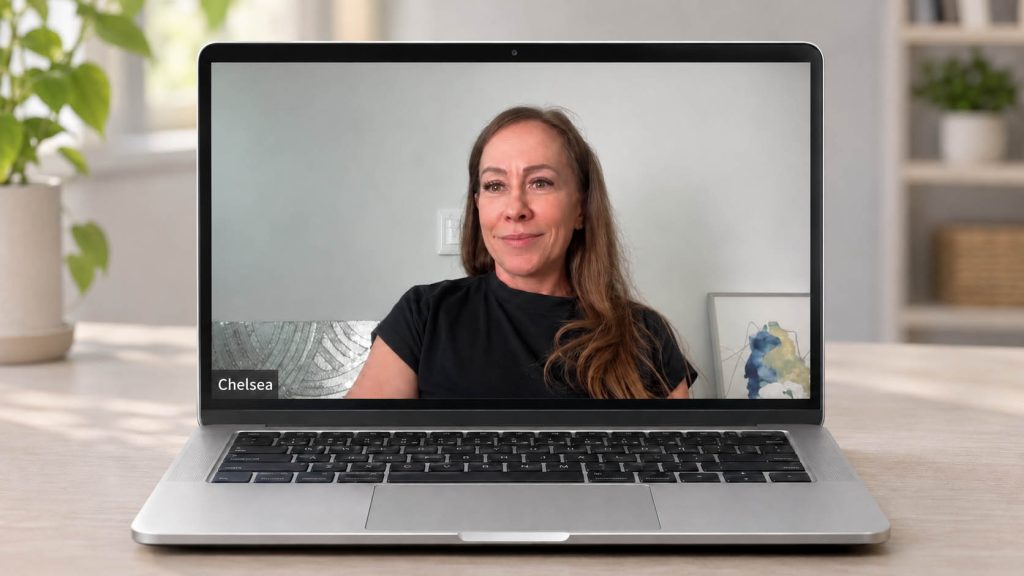
How do I know if my medication is working? Should I still feel hungry? And what happens when I reach my goal weight? These were some of the questions that came up during my recent GLP-1 Q&A. When you’re noticing changes in your appetite, digestion or weight, it helps to understand what those changes might mean and when to check in. If you’re exploring treatment, you can also learn more about my GLP-1 weight loss program.
Your health history and goals matter, so use these answers as a starting point for a conversation with your prescriber.
How do I know whether my medication is working?
You don’t have to feel a dramatic change for treatment to be helping. I look at the goals we’ve set and the progress we can measure, rather than simply whether you “feel” your medication.
Depending on why you’re taking it, that might include weight trends, waist measurements, appetite or blood sugar. Looking at changes over several weeks gives us a more useful picture than judging one day at a time. You don’t need to feel nauseated for treatment to be working.
Should I still feel hungry?
Yes, you may still feel hungry. The goal is to help you eat in a way that supports your health. If you’re so full or nauseated that regular meals become difficult, that’s something to bring up with your prescriber.
Are you comfortably satisfied after meals, or avoiding food because eating feels unpleasant? Those are different experiences, and it helps us to know which one you’re having. Your dose should reflect your needs, rather than someone else’s appetite or results.
What should I do about constipation?
Constipation can happen with GLP-1 treatment, and you don’t need to wait until you’re really uncomfortable to ask for help. A review should include your dose, symptoms, eating and drinking habits, and any other medications you’re taking.
Fluids, gradually increasing fibre and regular activity may help uncomplicated constipation. If symptoms persist, your clinician or pharmacist can recommend an appropriate treatment. Severe or ongoing abdominal pain, vomiting, or an inability to pass gas needs prompt medical assessment.
Can GLP-1 treatment cause hair shedding?
Noticing more hair in the shower can be unsettling. Hair loss has been reported with some treatments, and significant weight loss can also trigger increased shedding. The timing alone doesn’t tell us the cause.
Before adding a hair supplement or stopping your prescription, bring it into the conversation. We can look at the pattern of shedding, the pace of weight loss, your nutrition, recent illness or stress, and whether testing would be helpful.
What if I notice blurred vision?
Please have new vision symptoms assessed promptly. Don’t assume blurriness is simply dry eyes or wait months to mention it. Sudden vision loss or a rapid deterioration in sight needs urgent care.
Tell the clinician which medication you’re taking and when the symptoms started. They can assess what’s happening and advise whether your treatment needs to change.
What happens when I reach my goal weight?
Reaching your goal is a good time to revisit the plan together. For some people, ongoing treatment helps maintain the progress they’ve made. Others may need a different approach because of side effects, cost, preferences or changing health needs.
That conversation should include eating enough, maintaining strength, monitoring your health and knowing what to do if appetite or weight changes. Follow the schedule you’ve agreed on with your prescriber rather than creating your own cycle of taking and skipping doses.
What should I bring to my next appointment?
A few notes can make your appointment much more useful. Write down your main concern, when it started and how it’s affecting your day. Include changes in appetite, bowel habits, weight or your ability to eat and drink, along with an up-to-date list of medications and supplements.
You don’t need to have everything figured out before you ask for help. These are exactly the conversations that help us make your care more personal. If you’d like support understanding your options, book a consultation so we can talk through your health history, questions and goals.